
What Is a Stress Headache? (The Honest Guide Nobody Bothered to Write)
May 11, 2026
Could Stress Kill You? Here’s What the Science Actually Says
May 17, 2026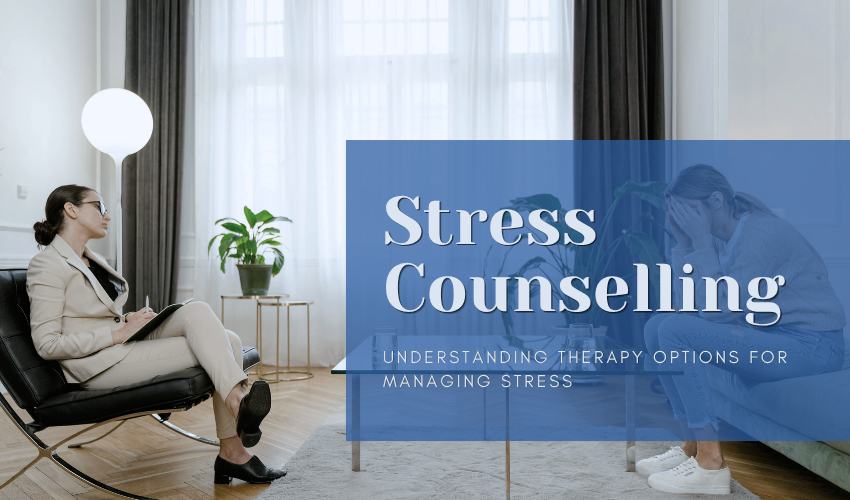
Explore effective Stress Counselling options and discover how different therapy approaches can help you manage stress, improve emotional wellbeing, and regain balance in daily life.
Most people come to stress counselling looking for someone to make the stress go away.
That’s not what happens. And any therapist who promises otherwise is lying to you.
Here’s what stress counselling actually does: it changes how you respond to the pressures that aren’t going anywhere. Work deadlines, financial strain, family demands, health worries, these aren’t disappearing. But the way they’re running your life? That can change.
This article will walk you through exactly what stress counselling is, how it works, who it’s right for, and when it’s not enough on its own. No fluff. No miracle promises. Just the information you need to decide if this is the right move for you.
Your Body Wasn’t Built to Run at Maximum Pressure Indefinitely
Short-term stress? Your body handles it fine. That’s what it’s designed for, a spike of pressure, a response, a recovery from stress.
The problem is modern life doesn’t let you recover.
Work demands don’t stop when you leave the office. Financial worry follows you to bed. Family responsibilities don’t clock off. And your nervous system, the one meant to handle acute threats, stays in a constant low-level state of alarm.
Here’s what that actually does to you over time.
Psychologically, persistent stress chips away at your mood, your focus, and your emotional resilience. You become irritable. Overwhelmed. You stop enjoying things that used to feel easy. Some people describe it as constantly waiting for the next thing to go wrong.
Physically, the body keeps the score. Stress Headaches. Muscle tension that won’t shift. Fatigue that sleep doesn’t fix. Digestive problems. A heart rate that never quite settles. These aren’t psychosomatic complaints, they’re real physiological responses to a nervous system that’s been overworked for too long.
Behaviourally, things start to unravel quietly. You withdraw. You procrastinate. You reach for alcohol, food, or screens to numb the edge off an evening. None of it solves anything. All of it makes tomorrow harder.
This is what chronic stress looks like when it’s left unaddressed. The good news is it’s also entirely treatable.
What Stress Counselling Actually Is (And What It Isn’t)
Let’s be honest about what you’re signing up for.
Stress counselling is professional therapeutic support focused on helping you understand your stress, identify what’s driving it, and build the skills to handle it differently. You work with a trained therapist or counsellor in a structured, confidential setting over a series of sessions.
It is not advice-giving. It is not a quick fix. And it is not the same as venting to a friend.
Here’s how those things differ in practice. A friend offers perspective shaped by their own experience and biases, and because they care about you, they can’t always be fully honest. An online article gives general information that may or may not apply to your situation. A counsellor uses evidence-based clinical approaches, tailored specifically to you, within a professional and confidential framework built entirely around your progress.
The goal isn’t to eliminate stress, that’s impossible, and anyone who claims otherwise is selling something. The goal is improved resilience, better emotional regulation, and a clearer understanding of why certain things are hitting you as hard as they are.
That distinction matters. Because people who go in expecting to feel fixed in three sessions often quit before the real work has started.
Who This Is Actually For
The first misconception to dismantle: counselling is not just for people in crisis.
You don’t need to be unable to get out of bed to justify professional support. Many people access stress counselling proactively, when things are difficult but not yet catastrophic, because early intervention is significantly more effective than waiting until you’re running on empty.
So what’s the threshold? Here’s a practical way to think about it.
Normal stress feels uncomfortable but manageable. It comes, you deal with it, it passes. Concerning stress feels persistent, overwhelming, and like it’s getting worse rather than better. If you’re experiencing constant exhaustion, difficulty switching off, emotional volatility, recurring physical symptoms, or a creeping loss of enjoyment in daily life, and this has been going on for weeks rather than days, that’s worth taking seriously.
Stress counselling may help with work pressure, academic demands, relationship difficulties, caregiving strain, financial worry, chronic illness-related stress, and burnout. The common thread is that something external is overwhelming your current capacity to cope, and you need better tools, not just more willpower.
Here’s where counselling is NOT the right first step: if your symptoms are severe, panic attacks, persistent low mood, significant sleep disruption, or any thoughts of self-harm, counselling alone may not be sufficient. In those cases, a GP or psychiatrist should be your first call. A good counsellor will tell you the same thing.
The Therapy Options: What They Are and How They Differ
Not all counselling is the same. Here’s the truth about the main approaches used in stress counselling, so you know what you’re actually choosing between.
Cognitive Behavioural Therapy (CBT) is the most widely used and most researched approach. It works by identifying the thought patterns fuelling your stress response, catastrophising, all-or-nothing thinking, worst-case assumptions, and systematically challenging them. CBT is structured, practical, and skills-based. You leave sessions with specific tools to use between appointments. If you want something evidence-based with a clear framework, this is usually the starting point.
Person-centred counselling takes a different approach. Less structured, more exploratory. The therapist creates a space of genuine acceptance where you can work through your experience at your own pace. This works particularly well for people who need to feel truly heard before they can begin making changes. It prioritises emotional exploration over technique.
Mindfulness-based approaches, including Mindfulness-Based Cognitive Therapy (MBCT) and Mindfulness-Based Stress Reduction (MBSR), train you to interrupt the rumination cycle. Stress feeds on mental time travel: replaying the past, catastrophising about the future. Mindfulness practices anchor you in the present. The research behind these approaches is substantial, particularly for preventing stress from escalating into chronic anxiety.
Other structured approaches include Acceptance and Commitment Therapy (ACT), which focuses on reducing the struggle against difficult emotions rather than eliminating them; psychodynamic therapy, which explores how past experiences are shaping current responses; and solution-focused therapy, which concentrates on building practical change rather than analysing problems in depth.
Here’s the reality: different people respond to different approaches. A good therapist will discuss which framework fits your situation, or adapt their approach as your work together develops.
What Actually Happens in Sessions
The first session is usually a stress assessment. The therapist will ask about your current symptoms, the stressors you’re facing, your mental health history, and what you’re hoping to get from therapy. This is them building a picture so they can tailor the work to your specific situation, not a one-size-fits-all intake form.
From there, sessions typically run 50 to 60 minutes, weekly or fortnightly. The number of sessions varies depending on what you’re dealing with. Some people find six to eight sessions sufficient for a focused issue. Others benefit from longer-term work, particularly if stress is entangled with deeper patterns.
Here’s what’s actually happening in those sessions. You’ll explore where your stress is coming from, which is sometimes different from what you assume at the start. You’ll look at your emotional responses, your thought patterns, the behaviours keeping you stuck. Over time, you’ll build practical strategies: relaxation techniques, boundary-setting, time management approaches, communication skills, and emotional regulation tools you can use outside the therapy room.
Confidentiality is maintained within professional and legal limits. What you say stays there, with narrow exceptions relating to serious risk of harm.
One thing worth knowing: the quality of the relationship you build with your therapist matters significantly to outcomes. If you don’t feel comfortable with someone after giving it a fair chance, it’s entirely legitimate to try someone else. The fit matters.
How Long Before You See Results?
This is where most people want a cleaner answer than reality provides.
It depends. On the severity and complexity of your stress. On how long it’s been building. On your readiness to engage with the process. On your circumstances outside the therapy room.
Counselling is not passive. You won’t make progress by showing up and waiting for the therapist to fix you. The work happens between sessions too, applying new strategies, noticing patterns, practising different responses. People who engage actively tend to see results more quickly.
Signs that counselling is working include improved ability to cope when stressors arise, reduced emotional reactivity, better sleep, clearer thinking, and a growing sense of self-awareness about your triggers and patterns. These changes tend to be gradual rather than sudden.
Here’s what counselling won’t do: it won’t change your circumstances. If your job is genuinely unsustainable, therapy will help you manage your responses to it, but it won’t make the job sustainable. That’s an important distinction to hold onto going in.
Your Options for Accessing Counselling
NHS pathways: In the UK, talking therapy for stress and anxiety is available through NHS Talking Therapies programmes. You can self-refer in most areas without needing a GP referral. The trade-off is waiting times, which vary by region and can stretch to several months.
Private counselling: Private therapy typically offers faster access and more scheduling flexibility. You can often begin within days. The trade-off is cost, which varies by therapist and location. Many counsellors offer sliding scale fees, worth asking about directly.
Online therapy: Remote sessions have become standard practice and are effective for most forms of stress counselling. For people with busy schedules, physical health limitations, or limited local provision, online therapy removes significant barriers to access.
No referral is required for private counselling. You contact a therapist directly, have an initial conversation, and begin.
What You Can Do Between Sessions
Counselling works faster when you’re supporting it with the right habits outside the therapy room.
Relaxation practices, deep breathing, progressive muscle relaxation, mindfulness meditation, directly regulate your nervous system’s stress response. Five to ten minutes daily is more effective than occasional longer sessions.
Physical activity is one of the most robustly evidenced interventions for stress and mood. You don’t need an intense training programme. Regular movement, at whatever level suits your current fitness, makes a measurable difference.
Sleep is foundational. Chronic stress disrupts sleep; disrupted sleep amplifies stress. Addressing your sleep habits is not optional if you’re serious about managing stress long-term.
And don’t underestimate social connection. Isolation compounds stress significantly. Maintaining honest communication with trusted people in your life, even when it feels difficult, is worth prioritising.
When Counselling Isn’t Enough
This is the section most articles skip. It shouldn’t be skipped.
If your stress has progressed to severe anxiety, persistent low mood, frequent panic attacks, significant sleep disruption, or any thoughts of self-harm, counselling alone may not be the right level of support. These are signs that a GP or psychiatric assessment is needed first.
Stress frequently overlaps with anxiety disorders, depression, trauma responses, and burnout syndromes. A counsellor can help with stress management, but diagnosing and treating clinical mental health conditions requires a different level of clinical input.
The bottom line: if you’re unsure whether counselling alone is sufficient, speak to your GP. Getting the level of support right matters more than getting into therapy quickly.
The Common Objections (And What’s Actually True)
“Counselling is only for serious mental illness.” No. It’s for anyone whose stress is affecting their quality of life, which covers a significant portion of the population at any given time. Using therapy preventively, before things become serious, is a reasonable and effective choice.
“I’ll just be told what to do.” That’s not how counselling works. It’s a collaborative process, exploration, reflection, skill-building. A counsellor isn’t there to hand you a plan. They’re there to help you develop your own capacity to handle what life throws at you.
“Needing help is a sign of weakness.” Here’s the truth: seeking support when you’re overwhelmed is an accurate assessment of your situation and a practical response to it. The people who white-knuckle it until they hit rock bottom don’t get extra credit. They just lose more time.
Frequently Asked Questions
What is stress counselling and how does it help?
Stress counselling is structured therapeutic support that helps you understand what’s driving your stress, develop practical coping strategies, and improve your emotional wellbeing. It doesn’t remove the pressures in your life, it changes how effectively you handle them.
How long does stress counselling usually take?
It varies. Some people see meaningful progress in six to eight sessions. Others benefit from longer-term work, particularly when stress is tied to deeper patterns or complex life circumstances. Your therapist will discuss this with you once they understand your situation.
Is stress counselling suitable for everyone?
Most people experiencing persistent or overwhelming stress can benefit from counselling. That said, the right type of support differs between individuals, and if your symptoms are severe, a GP or psychiatric assessment may be the better starting point.
Can stress counselling be done online?
Yes. Online counselling is widely available and effective for the majority of people. If accessibility, schedule, or location is a barrier, remote sessions remove most of those obstacles.
Do I need a referral to access stress counselling?
Not for private counselling, you can contact a therapist directly. NHS Talking Therapies also allows self-referral in most areas without needing to go through your GP first.
The Bottom Line
Stress counselling won’t make your life easier. It will make you better at handling it.
The pressures of modern life aren’t going to let up because you’ve had a few therapy sessions. But your capacity to navigate them without burning out can genuinely improve, and that improvement compounds over time.
If your stress is persistent, affecting your sleep, your relationships, your ability to function, and your enjoyment of daily life, and it’s been this way for weeks or months, that’s a reasonable signal that professional support is worth exploring. Talk to a counsellor. Or start with your GP if you’re unsure about the right level of support. Either way, the goal is the same: stop managing stress poorly and start managing it well.