Stress Counselling: Understanding Therapy Options for Managing Stress
May 13, 2026
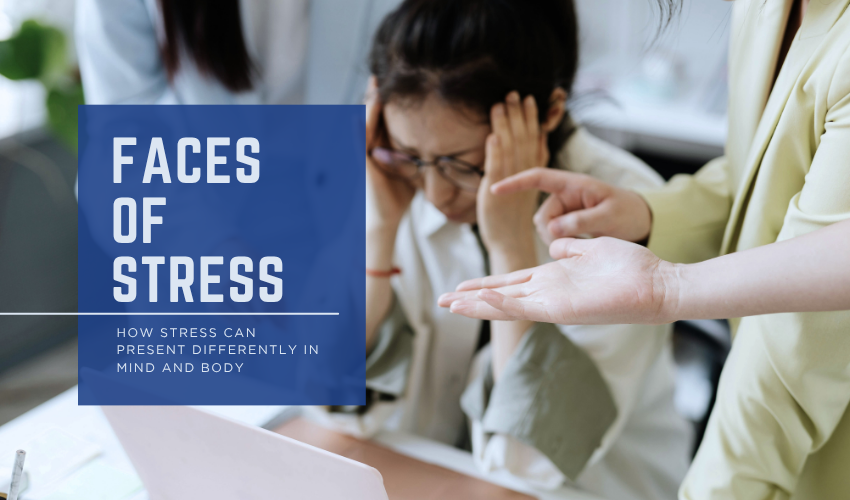
Faces of Stress: How Stress Can Present Differently in Mind and Body
May 17, 2026
Could Stress Kill You? Learn what science actually says about chronic stress, heart health, anxiety, burnout, and the real physical and mental health risks of prolonged stress.
Most people asking this question already know the answer they’re dreading.
You’ve been running on empty for months. Maybe years. The headaches won’t quit. Sleep is a distant memory. And somewhere between your third cup of coffee and another late night, you found yourself Googling: can stress actually kill you?
Here’s the honest answer: it’s the wrong question.
Not because it doesn’t matter, but because it’s keeping you focused on the dramatic headline instead of the quieter, slower damage happening right now.
Stress rarely kills you in a single dramatic moment. What it does is far more insidious. It chips away at your cardiovascular system, your immune function, your sleep, and your relationships until the accumulated damage becomes a serious medical problem.
This article won’t terrify you with worst-case scenarios. It won’t promise you a five-step cure either. What it will do is give you a clear, honest picture of what chronic stress actually does to the body, who’s most at risk, and when it’s time to stop managing this alone.
Your Body Wasn’t Built to Run at Maximum Pressure Indefinitely
Short-term stress? Your body handles it fine. That’s what it’s designed for, a spike of pressure, a response, a recovery from stress.
The problem is modern life doesn’t let you recover.
Work demands don’t stop when you leave the office. Financial worry follows you to bed. Family responsibilities don’t clock off. And your nervous system, the one meant to handle acute threats, stays in a constant low-level state of alarm.
Here’s what that actually does to you over time.
Psychologically, persistent stress chips away at your mood, your focus, and your emotional resilience. You become irritable. Overwhelmed. You stop enjoying things that used to feel easy. Some people describe it as constantly waiting for the next thing to go wrong.
Physically, the body keeps the score. Stress Headaches. Muscle tension that won’t shift. Fatigue that sleep doesn’t fix. Digestive problems. A heart rate that never quite settles. These aren’t psychosomatic complaints, they’re real physiological responses to a nervous system that’s been overworked for too long.
Behaviourally, things start to unravel quietly. You withdraw. You procrastinate. You reach for alcohol, food, or screens to numb the edge off an evening. None of it solves anything. All of it makes tomorrow harder.
This is what chronic stress looks like when it’s left unaddressed. The good news is it’s also entirely treatable.
What Stress Counselling Actually Is (And What It Isn’t)
Let’s be honest about what you’re signing up for.
Stress counselling is professional therapeutic support focused on helping you understand your stress, identify what’s driving it, and build the skills to handle it differently. You work with a trained therapist or counsellor in a structured, confidential setting over a series of sessions.
It is not advice-giving. It is not a quick fix. And it is not the same as venting to a friend.
Here’s how those things differ in practice. A friend offers perspective shaped by their own experience and biases, and because they care about you, they can’t always be fully honest. An online article gives general information that may or may not apply to your situation. A counsellor uses evidence-based clinical approaches, tailored specifically to you, within a professional and confidential framework built entirely around your progress.
The goal isn’t to eliminate stress, that’s impossible, and anyone who claims otherwise is selling something. The goal is improved resilience, better emotional regulation, and a clearer understanding of why certain things are hitting you as hard as they are.
That distinction matters. Because people who go in expecting to feel fixed in three sessions often quit before the real work has started.
Who This Is Actually For
The first misconception to dismantle: counselling is not just for people in crisis.
You don’t need to be unable to get out of bed to justify professional support. Many people access stress counselling proactively, when things are difficult but not yet catastrophic, because early intervention is significantly more effective than waiting until you’re running on empty.
So what’s the threshold? Here’s a practical way to think about it.
Normal stress feels uncomfortable but manageable. It comes, you deal with it, it passes. Concerning stress feels persistent, overwhelming, and like it’s getting worse rather than better. If you’re experiencing constant exhaustion, difficulty switching off, emotional volatility, recurring physical symptoms, or a creeping loss of enjoyment in daily life, and this has been going on for weeks rather than days, that’s worth taking seriously.
Stress counselling may help with work pressure, academic demands, relationship difficulties, caregiving strain, financial worry, chronic illness-related stress, and burnout. The common thread is that something external is overwhelming your current capacity to cope, and you need better tools, not just more willpower.
Here’s where counselling is NOT the right first step: if your symptoms are severe, panic attacks, persistent low mood, significant sleep disruption, or any thoughts of self-harm, counselling alone may not be sufficient. In those cases, a GP or psychiatrist should be your first call. A good counsellor will tell you the same thing.
The Therapy Options: What They Are and How They Differ
Not all counselling is the same. Here’s the truth about the main approaches used in stress counselling, so you know what you’re actually choosing between.
Cognitive Behavioural Therapy (CBT) is the most widely used and most researched approach. It works by identifying the thought patterns fuelling your stress response, catastrophising, all-or-nothing thinking, worst-case assumptions, and systematically challenging them. CBT is structured, practical, and skills-based. You leave sessions with specific tools to use between appointments. If you want something evidence-based with a clear framework, this is usually the starting point.
Person-centred counselling takes a different approach. Less structured, more exploratory. The therapist creates a space of genuine acceptance where you can work through your experience at your own pace. This works particularly well for people who need to feel truly heard before they can begin making changes. It prioritises emotional exploration over technique.
Mindfulness-based approaches, including Mindfulness-Based Cognitive Therapy (MBCT) and Mindfulness-Based Stress Reduction (MBSR), train you to interrupt the rumination cycle. Stress feeds on mental time travel: replaying the past, catastrophising about the future. Mindfulness practices anchor you in the present. The research behind these approaches is substantial, particularly for preventing stress from escalating into chronic anxiety.
Other structured approaches include Acceptance and Commitment Therapy (ACT), which focuses on reducing the struggle against difficult emotions rather than eliminating them; psychodynamic therapy, which explores how past experiences are shaping current responses; and solution-focused therapy, which concentrates on building practical change rather than analysing problems in depth.
Here’s the reality: different people respond to different approaches. A good therapist will discuss which framework fits your situation, or adapt their approach as your work together develops.
What Actually Happens in Sessions
The first session is usually a stress assessment. The therapist will ask about your current symptoms, the stressors you’re facing, your mental health history, and what you’re hoping to get from therapy. This is them building a picture so they can tailor the work to your specific situation, not a one-size-fits-all intake form.
From there, sessions typically run 50 to 60 minutes, weekly or fortnightly. The number of sessions varies depending on what you’re dealing with. Some people find six to eight sessions sufficient for a focused issue. Others benefit from longer-term work, particularly if stress is entangled with deeper patterns.
Here’s what’s actually happening in those sessions. You’ll explore where your stress is coming from, which is sometimes different from what you assume at the start. You’ll look at your emotional responses, your thought patterns, the behaviours keeping you stuck. Over time, you’ll build practical strategies: relaxation techniques, boundary-setting, time management approaches, communication skills, and emotional regulation tools you can use outside the therapy room.
Confidentiality is maintained within professional and legal limits. What you say stays there, with narrow exceptions relating to serious risk of harm.
One thing worth knowing: the quality of the relationship you build with your therapist matters significantly to outcomes. If you don’t feel comfortable with someone after giving it a fair chance, it’s entirely legitimate to try someone else. The fit matters.
How Long Before You See Results?
This is where most people want a cleaner answer than reality provides.
It depends. On the severity and complexity of your stress. On how long it’s been building. On your readiness to engage with the process. On your circumstances outside the therapy room.
Counselling is not passive. You won’t make progress by showing up and waiting for the therapist to fix you. The work happens between sessions too, applying new strategies, noticing patterns, practising different responses. People who engage actively tend to see results more quickly.
Signs that counselling is working include improved ability to cope when stressors arise, reduced emotional reactivity, better sleep, clearer thinking, and a growing sense of self-awareness about your triggers and patterns. These changes tend to be gradual rather than sudden.
Here’s what counselling won’t do: it won’t change your circumstances. If your job is genuinely unsustainable, therapy will help you manage your responses to it, but it won’t make the job sustainable. That’s an important distinction to hold onto going in.
Your Options for Accessing Counselling
NHS pathways: In the UK, talking therapy for stress and anxiety is available through NHS Talking Therapies programmes. You can self-refer in most areas without needing a GP referral. The trade-off is waiting times, which vary by region and can stretch to several months.
Private counselling: Private therapy typically offers faster access and more scheduling flexibility. You can often begin within days. The trade-off is cost, which varies by therapist and location. Many counsellors offer sliding scale fees, worth asking about directly.
Online therapy: Remote sessions have become standard practice and are effective for most forms of stress counselling. For people with busy schedules, physical health limitations, or limited local provision, online therapy removes significant barriers to access.
No referral is required for private counselling. You contact a therapist directly, have an initial conversation, and begin.
What You Can Do Between Sessions
Counselling works faster when you’re supporting it with the right habits outside the therapy room.
Relaxation practices, deep breathing, progressive muscle relaxation, mindfulness meditation, directly regulate your nervous system’s stress response. Five to ten minutes daily is more effective than occasional longer sessions.
Physical activity is one of the most robustly evidenced interventions for stress and mood. You don’t need an intense training programme. Regular movement, at whatever level suits your current fitness, makes a measurable difference.
Sleep is foundational. Chronic stress disrupts sleep; disrupted sleep amplifies stress. Addressing your sleep habits is not optional if you’re serious about managing stress long-term.
And don’t underestimate social connection. Isolation compounds stress significantly. Maintaining honest communication with trusted people in your life, even when it feels difficult, is worth prioritising.
When Counselling Isn’t Enough
This is the section most articles skip. It shouldn’t be skipped.
If your stress has progressed to severe anxiety, persistent low mood, frequent panic attacks, significant sleep disruption, or any thoughts of self-harm, counselling alone may not be the right level of support. These are signs that a GP or psychiatric assessment is needed first.
Stress frequently overlaps with anxiety disorders, depression, trauma responses, and burnout syndromes. A counsellor can help with stress management, but diagnosing and treating clinical mental health conditions requires a different level of clinical input.
The bottom line: if you’re unsure whether counselling alone is sufficient, speak to your GP. Getting the level of support right matters more than getting into therapy quickly.
The Common Objections (And What’s Actually True)
“Counselling is only for serious mental illness.” No. It’s for anyone whose stress is affecting their quality of life, which covers a significant portion of the population at any given time. Using therapy preventively, before things become serious, is a reasonable and effective choice.
“I’ll just be told what to do.” That’s not how counselling works. It’s a collaborative process, exploration, reflection, skill-building. A counsellor isn’t there to hand you a plan. They’re there to help you develop your own capacity to handle what life throws at you.
“Needing help is a sign of weakness.” Here’s the truth: seeking support when you’re overwhelmed is an accurate assessment of your situation and a practical response to it. The people who white-knuckle it until they hit rock bottom don’t get extra credit. They just lose more time.
Frequently Asked Questions
What is stress counselling and how does it help?
Stress counselling is structured therapeutic support that helps you understand what’s driving your stress, develop practical coping strategies, and improve your emotional wellbeing. It doesn’t remove the pressures in your life, it changes how effectively you handle them.
How long does stress counselling usually take?
It varies. Some people see meaningful progress in six to eight sessions. Others benefit from longer-term work, particularly when stress is tied to deeper patterns or complex life circumstances. Your therapist will discuss this with you once they understand your situation.
Is stress counselling suitable for everyone?
Most people experiencing persistent or overwhelming stress can benefit from counselling. That said, the right type of support differs between individuals, and if your symptoms are severe, a GP or psychiatric assessment may be the better starting point.
Can stress counselling be done online?
Yes. Online counselling is widely available and effective for the majority of people. If accessibility, schedule, or location is a barrier, remote sessions remove most of those obstacles.
Do I need a referral to access stress counselling?
Not for private counselling, you can contact a therapist directly. NHS Talking Therapies also allows self-referral in most areas without needing to go through your GP first
What Stress Actually Is (Not the Definition You’ve Heard a Hundred Times)
Stress is your body’s response to demands it perceives as threatening or overwhelming.
Those demands can come from outside, work pressure, financial problems, relationship conflict. Or from inside, perfectionism, fear, constant worry. Your brain doesn’t always distinguish between the two.
When the threat signal fires, your nervous system launches the fight-or-flight response. Adrenaline and cortisol flood your system. Your heart rate jumps. Breathing accelerates. Muscles tighten. Alertness sharpens.
In short bursts, this is exactly what your body is designed to do. A deadline, a difficult conversation, a near-miss on the motorway, the stress response helps you rise to the moment.
Here’s where it breaks down.
The system was designed for short-term threats, not for months of sustained pressure with no resolution in sight. When the stress response stays switched on, when there’s no recovery, no relief, no sense of safety, that’s chronic stress. And chronic stress is a fundamentally different beast.
Can Stress Directly Kill You?
Let’s be direct: stress alone is rarely identified as a direct cause of death.
But that’s not the reassurance most people think it is.
Because “rarely direct” still means sometimes. In rare cases, extreme emotional or physical stress can trigger a condition called stress-induced cardiomyopathy, also known as Takotsubo cardiomyopathy, or “broken heart syndrome.” The heart muscle temporarily weakens in a way that closely resembles a heart attack.
It’s uncommon. But it’s real. And it’s medical proof that intense stress can produce measurable, serious cardiovascular events.
The bigger issue isn’t sudden death. It’s the slow accumulation of damage over years.
Chronic stress contributes to conditions that do kill people, heart disease, high blood pressure, metabolic disorders, depression. Stress is rarely the final cause recorded on a death certificate. But it’s frequently the thing running silently in the background, making everything else worse.
That’s what people miss when they ask “can stress kill you?” They’re looking for a direct line. The reality is a web of indirect ones, each individually manageable, collectively dangerous.
What Chronic Stress Does to Your Body Over Time
This is where the evidence becomes hard to ignore.
The cardiovascular system takes the brunt of it. Chronic stress elevates heart rate and blood pressure, promotes inflammation, and places sustained strain on blood vessels. Over time, these changes may raise the risk of cardiovascular disease, particularly when combined with poor sleep, smoking, or physical inactivity.
The immune system suffers too. Long-term stress suppresses immune function, making you more vulnerable to illness and slower to recover when you do get sick. If you’ve noticed you pick up every bug going around when you’re under sustained pressure, this is why.
Then there’s the hormonal picture. Persistently elevated cortisol, your primary stress hormone, disrupts metabolism, impairs sleep quality, destabilises mood, affects appetite, and drives inflammation throughout the body. High cortisol doesn’t just make you feel terrible. Over time, it actively works against your long-term health.
Stress and Your Long-Term Health Risks
Chronic stress doesn’t just make you feel worse. It quietly stacks the deck against you.
The link between stress and heart disease is well-documented. Chronic stress may contribute to the development or worsening of cardiovascular disease, especially when layered on top of other risk factors, smoking, poor sleep, physical inactivity. None of these operate in isolation.
Blood pressure is one of the clearest examples. Stress can temporarily spike blood pressure in the short term. Sustained over months and years, that repeated strain on the cardiovascular system has consequences.
Metabolic health takes a hit too. Stress hormones influence how your body stores fat, regulates blood sugar, and responds to food. Chronic stress has been linked to weight gain and increased risk of metabolic conditions, not because of willpower failures, but because of the direct hormonal effects on the body.
The Mental Health Toll Nobody Talks About Enough
Chronic stress and mental health don’t just overlap. They feed each other.
Persistent stress is one of the strongest risk factors for anxiety disorders. The nervous system stays perpetually activated. Worry becomes relentless. Rest feels impossible. The line between “stressed” and “anxious” gradually disappears.
Burnout is real, and it’s not just tiredness. It’s a state of emotional, physical, and cognitive exhaustion that develops when chronic stress continues without adequate recovery. It doesn’t resolve with a long weekend. It requires real intervention.
Depression is another serious risk. Prolonged stress can deplete the neurological and psychological resources that protect against low mood. For people already vulnerable, sustained pressure can tip the balance.
And then there are the cognitive effects, poor concentration, memory problems, difficulty making decisions, pervasive mental fatigue. These aren’t just inconveniences. They compound everything else, making it harder to address the stress itself.
The Indirect Pathways That Make It All Worse
Here’s what most people miss when they think about stress and health.
Stress doesn’t only act on the body directly. It shapes your behaviour in ways that independently increase health risk.
Sleep is usually the first casualty. And poor sleep doesn’t just make you tired, it worsens emotional regulation, weakens immune function, and compounds cardiovascular strain.
Under sustained pressure, many people reach for substances to cope, alcohol, cigarettes, overeating, or other forms of misuse. These feel like relief in the short term. In the long term, they add their own weight to an already strained system.
Physical activity often disappears. So do medical appointments. Healthy eating. Social connection. The very habits that would buffer the effects of stress get crowded out by the stress itself.
This is how chronic stress becomes a spiral, not just a single problem.
Who’s at Greatest Risk
Not everyone experiences the same health impact from stress. Several factors shape vulnerability.
People with existing health conditions, cardiovascular disease, diabetes, chronic illness, pre-existing mental health problems, face amplified risk. Their systems are already under load.
Those experiencing prolonged life pressures carry higher risk too: long-term caregiving, financial hardship, sustained workplace pressure, trauma exposure, chronic uncertainty. It’s not just the intensity of stress that matters. It’s the duration and the absence of recovery.
Social factors matter more than most people realise. Limited social support, unsafe environments, discrimination, and occupational stress all shape outcomes. Stress doesn’t happen in a vacuum, it’s defined by the context you’re living in.
Warning Signs That Stress Has Moved Beyond Normal
There’s a meaningful difference between going through a difficult period and being in a state of chronic stress that’s damaging your health.
Physical signals to take seriously: ongoing fatigue that sleep doesn’t fix, persistent headaches, muscle tension you can’t shake, digestive symptoms with no clear cause, chest discomfort, and consistent sleep disruption.
Psychological signals: constant irritability, anxiety that doesn’t subside, emotional numbness, feeling perpetually overwhelmed, low mood that lingers for weeks.
Functional signals: difficulty keeping up with work, withdrawing from relationships, struggling with basic self-care, decisions that feel impossible.
None of these in isolation is necessarily alarming. Together, especially when persistent, this is a pattern that deserves professional attention.
How Stress Gets Assessed Clinically
A proper clinical stress assessment doesn’t just ask “how stressed are you on a scale of one to ten.”
A healthcare professional will review your physical symptoms alongside your emotional wellbeing, lifestyle factors, and personal history. They’ll screen for anxiety disorders, depression, trauma-related symptoms, and burnout, conditions that frequently coexist with chronic stress and require their own treatment approaches.
Sometimes physical investigations are necessary too. Chest discomfort, persistent fatigue, and headaches can have medical causes beyond stress. Ruling those out is part of a thorough assessment, not an unnecessary extra step.
What Actually Reduces Stress (And What Doesn’t)
Let’s separate the evidence from the noise.
Stress management techniques work, when practised consistently. Deep breathing, mindfulness, meditation, and progressive muscle relaxation all have meaningful evidence behind them. They’re not cures. They’re tools for regulating a nervous system stuck in overdrive.
Lifestyle factors are non-negotiable. Consistent sleep routines, balanced nutrition, regular physical activity, reduced alcohol and caffeine intake, these aren’t optional extras for the disciplined. They’re the foundation. Without them, other interventions have limited effect.
Social support is genuinely protective. Not just emotionally, physiologically. Supportive relationships buffer the stress response in measurable ways. Isolation amplifies it.
Psychological therapies like CBT have strong evidence for both stress and the anxiety and depression it can generate. If you’re beyond self-management strategies, therapy is the appropriate next step, not a last resort.
Medical support may also be warranted where stress has contributed to significant physical or mental health symptoms. There’s no prize for avoiding it.
Treatment and Support For Stress: What’s Available
The good news is there are multiple effective routes into support.
Psychological therapies, particularly CBT and stress counselling, help people understand and manage the stress responses driving their symptoms. These aren’t just talking shops. They’re structured, evidence-based interventions with real outcomes.
Where stress has produced significant physical or mental health symptoms, medical assessment is appropriate. This might involve medication, further investigation, or specialist referral, depending on what the assessment reveals.
Support also exists outside formal healthcare. Occupational health services, workplace wellbeing programmes, support groups, and community organisations all provide meaningful help. The right route depends on the severity of what you’re experiencing and what’s driving it.
When to Stop Managing This Alone
Here’s the truth most wellness content won’t tell you.
There’s a threshold beyond which self-help strategies aren’t enough. Crossing it isn’t failure. It’s just a clinical reality.
Seek professional support if you’re experiencing persistent anxiety or low mood, severe exhaustion that won’t lift, ongoing sleep disruption, or physical symptoms affecting your daily functioning. If stress is interfering with work, relationships, or your ability to manage basic responsibilities, that’s the threshold.
These symptoms require immediate medical attention, don’t manage them at home: chest pain, difficulty breathing, sudden neurological symptoms, suicidal thoughts, collapse or fainting.
Common Misunderstandings Worth Clearing Up
The phrase “can stress kill you” gets thrown around in ways that oversimplify a genuinely complex picture.
Stress is almost never the sole cause of serious illness or death. It’s a contributing factor, one thread in a larger web. That doesn’t make it unimportant. It means understanding it accurately matters more than reaching for a dramatic headline.
Not all stress-related symptoms indicate serious disease. But persistent or severe symptoms shouldn’t be dismissed without assessment either. The danger lies at both extremes, catastrophising and minimising.
Here’s the reality: the earlier you address chronic stress, the more options you have. Stress caught at the warning sign stage is manageable. Stress that’s been ignored for years, and has compounded into cardiovascular disease, clinical depression, or complete burnout, is a significantly harder problem to solve.
Frequently Asked Questions
Could stress kill you suddenly?
In rare situations, extreme acute stress can trigger serious cardiovascular events, including stress-induced cardiomyopathy, which mimics a heart attack. It’s documented. It’s real. But it’s uncommon. The far greater risk for most people is the slow, compounding damage of chronic stress over months and years, not a single dramatic moment.
Can stress cause a heart attack or stroke?
Not directly, in most cases. But stress contributes indirectly, through elevated blood pressure, increased inflammation, and the behaviours stress drives, including poor sleep, smoking, and physical inactivity. Stack those risk factors long enough and the cardiovascular consequences become real.
How long does chronic stress take to affect health?
There’s no fixed timeline, and that’s precisely what makes it dangerous. It varies by severity, duration, lifestyle, and your baseline health. Some people feel effects within months. Others accumulate damage quietly over years without recognising the pattern. Don’t wait for a clear warning shot.
Are some people more at risk from stress than others?
Yes. People with pre-existing cardiovascular disease, diabetes, chronic illness, or mental health conditions face amplified risk. So do those under prolonged life pressure, long-term caregiving, financial hardship, sustained workplace stress, or trauma exposure. The intensity of stress matters, but so does how long it lasts and whether real recovery is possible.
What are the most effective ways to reduce stress?
No single approach works for everyone, but the evidence consistently points to the same combination: psychological therapy (particularly CBT), regular physical activity, consistent sleep, stress management techniques like mindfulness and breathing exercises, and genuine social support. Usually in combination, not in isolation.
When should I see a doctor about stress-related symptoms?
When symptoms are persistent, worsening, or starting to affect how you function, at work, in relationships, in basic daily life. Don’t use “it could be worse” as the threshold. If it’s been going on for weeks and isn’t improving, that’s enough reason to get assessed.
The Bottom Line
Stress is not typically a direct cause of death.
But it is a well-documented contributor to conditions that are. And the research is clear that the effects accumulate gradually, often without people realising how much ground they’ve lost until the damage is already significant.
The question “can stress kill you?” is less useful than: is my current level of stress causing harm I haven’t fully accounted for?
For many people reading this, the answer is yes.
The earlier you recognise the pattern, the more options you have. Addressing stress before it compounds into cardiovascular disease, clinical depression, or burnout is categorically easier than treating those conditions after the fact.
If you’re at the warning sign stage, physical symptoms, persistent low mood, functional difficulties, this is the moment to act. Not when things get worse.