
ADHD Assessment Cost: What Factors Affect the Price of an ADHD Diagnosis?
September 4, 2026
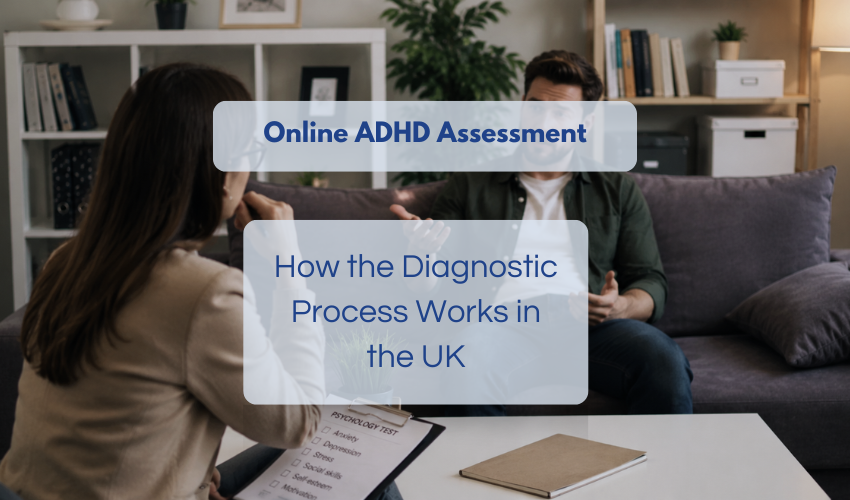
Online ADHD Assessment: How the Diagnostic Process Actually Works in the UK
September 10, 2026
Here’s what most people don’t understand about private ADHD diagnosis UK cost:
A higher price doesn’t mean a better diagnosis. A lower price doesn’t mean a worse one.
You’ve probably been searching “Private ADHD Diagnosis UK Cost” because you’ve spent years wondering why concentration, organisation, or impulsivity feel like a constant uphill battle. Maybe it started in childhood. Maybe it didn’t show up until work, university, or parenting cranked up the pressure. Either way, you want answers, and you want to know what you’re actually paying for before you hand over your card details.
Let’s be honest: this article won’t give you one single price. Nobody honestly can. What it will do is show you exactly what drives the cost, what a proper assessment should include, and how to avoid paying for something that isn’t worth your money.
ADHD is a neurodevelopmental condition, it affects attention, impulsivity, organisation, and emotional regulation. It’s often framed as a childhood thing, but plenty of adults go undiagnosed for decades. A real diagnosis isn’t a checklist you tick in ten minutes. It’s a structured clinical evaluation that looks at your symptoms, your developmental history, and how everything is actually landing in your day-to-day life, while ruling out other explanations first.
Price is only one piece of that puzzle. The clinician’s qualifications and the depth of the process matter just as much, if not more.
What a Private ADHD Diagnosis Actually Is
Here’s the core truth: a private ADHD assessment exists to answer one question. Do your symptoms actually meet recognised diagnostic criteria, or is something else going on?
That distinction matters more than people realise. Almost everyone struggles with focus sometimes. Stress, bad sleep, a rough patch emotionally, any of these can mimic ADHD symptoms for a while.
A proper clinical assessment digs deeper than “do you get distracted.” It looks for a persistent pattern. It checks whether that pattern started developmentally, way back. And it measures whether it’s genuinely disrupting your everyday functioning, not just having an off week.
For a lot of people, this is where things finally click. Patterns that felt confusing or self-defeating for years suddenly make sense. The assessment can also flag your individual strengths alongside the difficulties.
But here’s what you need to hear upfront: an assessment doesn’t guarantee a diagnosis. Sometimes another explanation fits better. Sometimes further assessment gets recommended instead. That’s not a failed process, that’s the process working correctly.
Who’s Actually Allowed to Diagnose You
Not just anyone with a questionnaire can hand you an ADHD diagnosis. Private assessments should be carried out by appropriately qualified professionals, which, depending on your age and situation, typically means:
- consultant psychiatrists
- clinical psychologists
- paediatric specialists
- appropriately trained ADHD clinicians working within their scope of practice
Ask who’s actually doing your assessment and what experience they have. Their background shapes both the structure of your appointment and what follow-up support looks like afterward. A legitimate provider will answer this without hesitation.
Why You Can’t Diagnose ADHD With a Ten-Minute Quiz
Here’s the truth nobody selling a quick-fix “ADHD test” wants you to hear: it can’t be done through a questionnaire alone.
Screening tools are useful. They’re just not the whole story. They should support clinical judgement, not replace it.
A comprehensive assessment typically covers:
- developmental and childhood history
- current symptoms
- educational or employment experiences
- difficulties in relationships and daily life
- functional impact
- mental health history
- other possible explanations for what you’re experiencing
This is exactly why costs vary so much between providers. The clinical time and information required shifts depending on your individual circumstances, and time costs money.
What Does Your Fee Actually Include?
The Initial Consultation and Clinical Evaluation
This is where it starts: a detailed conversation about why you’re seeking an assessment.
The clinician explores your difficulties with attention, organisation, impulsivity, activity levels, or emotional regulation, and how they’re hitting your work, relationships, education, and daily responsibilities. Relevant medical and personal history comes into play too.
For adults, childhood almost always comes up. ADHD is neurodevelopmental, so clinicians need to see whether your symptoms form part of a longstanding pattern, not something new.
For children and young people, parents or carers usually provide the developmental detail, and schools may weigh in with their own observations.
Screening Tools and Diagnostic Questionnaires
Validated questionnaires and rating scales often form part of the picture. Depending on the provider, these might be completed by:
- you
- parents or carers
- teachers
- partners
- others who know you well
But here’s the part that gets misunderstood constantly: a questionnaire score alone cannot diagnose ADHD. It needs to be read alongside your history, the clinical interview, and your wider circumstances. Treat it as supporting evidence, not the verdict.
The Diagnostic Report and Feedback
After the assessment, you should get feedback on the findings. Many, but not all, providers also include a written report covering:
- relevant clinical history
- assessment findings
- diagnostic conclusions
- identified strengths and difficulties
- recommendations
- possible next steps
This is where people get caught out. Not every provider bundles a full written report and feedback appointment into the headline price. Ask before you book, not after.
What Actually Drives the Cost Up or Down
The Clinician’s Type and Experience
Whether you’re seeing a psychiatrist, psychologist, or another specialist clinician changes the fee. So does:
- specialist training
- professional experience
- appointment duration
- clinical complexity
- follow-up arrangements
Here’s the reality check: a higher fee doesn’t automatically mean a more accurate assessment. And a cheaper one isn’t automatically inferior. The real question is whether the clinician is properly qualified and whether the process is thorough enough to actually mean something.
Adult vs Child Assessment Costs
Adult ADHD assessments dig through current symptoms and childhood history, that’s two timelines to piece together instead of one.
Child ADHD assessments often need input from multiple sources:
- parents or carers
- school reports
- teacher feedback
- developmental history
- behaviour observed across different settings
More sources means more clinical legwork. That’s why there’s no single standard price across age groups or providers, the fee tracks the complexity.
How Complex Is Your Situation?
Some people arrive with a fairly clear-cut history. Others don’t. A clinician may need to explore:
- anxiety
- depression
- autism spectrum differences
- learning difficulties
- sleep problems
- previous mental health treatment
- unclear childhood history
- significant life stress
You can also have ADHD alongside another condition entirely. In more complex cases, expect extra appointments or additional information-gathering before a conclusion gets reached, and that extra clinical time shows up in the final bill.
Private vs NHS: What’s the Real Difference?
How the NHS Pathway Works
For eligible patients, ADHD assessment through the NHS runs through publicly funded healthcare. It typically starts with a GP conversation (arrangements vary locally), followed by a referral to a specialist service if appropriate.
The exact pathway, and how long you’ll wait, depends heavily on your age and where in the UK you live.
There’s no upfront fee, which makes the NHS route essential for a lot of people, even with the waiting times.
Why Private Costs Look the Way They Do
Private healthcare means direct payment for services. That fee typically reflects:
- specialist clinical time
- appointment availability
- administrative support
- questionnaires and assessment tools
- review of supporting information
- report preparation
- diagnostic feedback
Here’s where people get tripped up: some providers bundle everything into one package price. Others charge separately for consultations, documentation, and follow-ups. Comparing headline prices alone tells you almost nothing, you need the full fee structure.
Weighing Access, Waiting Times, and Money
Neither pathway wins outright. The NHS gives you a publicly funded route, but waiting periods shift by area. Private assessment can mean more appointment flexibility and, sometimes, faster access to a specialist, but you’re carrying the financial cost of the assessment and whatever care follows.
Before deciding, weigh:
- your financial circumstances
- urgency
- local service availability
- appointment flexibility
- clinician expertise
- follow-up requirements
- your plans for future treatment or support
The Costs Nobody Mentions Until After You’ve Booked
Follow-Up Appointments and Reviews
A diagnosis is rarely the finish line. Some people need follow-up appointments to talk through recommendations, treatment options, or practical strategies. In some cases, more appointments are needed just to confirm the diagnosis in the first place.
Ask upfront whether follow-ups are included in your initial fee, or billed separately. That one question can save you from an unpleasant surprise.
Medication Assessment and Monitoring
A diagnosis doesn’t automatically mean a prescription. Medication only gets considered where clinically appropriate, and that decision requires individual medical assessment.
If medication does come up, expect additional appointments to check suitability, monitor how it’s working, and review side effects. Ongoing medication monitoring is usually a separate cost from your original diagnostic fee, so ask about the likely structure before you commit to treatment.
Shared Care With the NHS
Sometimes private and NHS professionals both end up involved, you might get assessed privately, then discuss ongoing care with your GP.
But don’t assume this happens automatically. It depends on local policy, your clinical circumstances, and decisions made by the professionals involved. A private diagnosis doesn’t guarantee NHS prescribing or follow-up. Get this clarified before you start private treatment, not after.
How to Actually Choose a Provider
Check the Clinician’s Qualifications
Before booking, get clear answers on:
- Who completes the assessment?
- What professional qualifications do they hold?
- What’s their experience with ADHD assessment specifically?
- What diagnostic standards or guidelines do they follow?
- Are they appropriately registered in their field?
A provider who can’t answer these clearly and confidently is a red flag.
Understand What’s Actually in the Fee
Ask directly whether the cost includes:
- assessment appointments
- questionnaires or rating scales
- review of supporting information
- a written diagnostic report
- a feedback appointment
- recommendations for next steps
- follow-up support
Comparing these line by line tells you far more than comparing sticker prices ever will.
Don’t Shop by Price Alone
The cheapest option isn’t automatically the worst. The most expensive isn’t automatically the best. What matters is clinical quality, genuine expertise, and a properly structured evaluation.
Transparency is the tell. A good provider explains exactly what’s involved, how long it’ll take, and what’s covered, without you having to drag it out of them. A thorough process built around your developmental history and full circumstances beats a quick pass through a symptom checklist every time.
How to Prepare for Your Assessment
Gather Your Personal and Medical History
Before your appointment, pull together:
- childhood experiences
- school or education history
- previous assessments
- relevant medical information
- mental health history
- examples of current difficulties
- challenges at work, university, or home
Think about when the difficulties first became noticeable and how they’ve shifted over time. You don’t need to remember every detail of your childhood, clinicians expect gaps and work with the full picture regardless.
Collect Supporting Information
Where you can, gather:
- old school reports
- previous professional assessments
- observations from family members
- input from a partner
- relevant workplace feedback
For children, input from parents and schools matters even more, since symptoms often show up differently across settings. Not every assessment needs the same evidence, ask your provider what would actually help.
Prepare Your Questions in Advance
Walk in ready to ask about:
- the assessment process
- number of appointments
- total fees
- written reports
- diagnostic criteria
- follow-up care
- treatment recommendations
- what happens if ADHD isn’t diagnosed
Going in prepared makes it far easier to compare providers and make a genuinely informed decision.
Myths That Keep Costing People Money
“A Higher Cost Means a More Accurate Diagnosis”
It doesn’t. Accuracy comes down to the clinician’s qualifications, experience, judgement, and how thorough the process actually is. A higher fee might reflect specialist expertise or extra services, but it’s not proof of a better outcome. Focus on whether the process is appropriate, evidence-based, and comprehensive.
“A Private Assessment Is Just a Quick ADHD Test”
Wrong again. A proper assessment involves far more than filling in an online quiz. Questionnaires support the process, they don’t replace it. A structured assessment digs into developmental history, current symptoms, functional impact, and other possible explanations before the clinician reaches any conclusion.
“The Diagnosis Automatically Includes Treatment”
Diagnosis and treatment are two separate conversations. After assessment, you might get recommendations for practical strategies, workplace or educational adjustments, psychological support, or a treatment discussion. Medication requires its own clinical consideration and ongoing monitoring. Your assessment fee likely doesn’t cover any of this.
Is Private ADHD Diagnosis Actually Worth the Money?
The Real Value: Clarity
Whether it’s worth it depends entirely on your circumstances. For a lot of people, the assessment finally explains longstanding difficulties with attention, organisation, impulsivity, or everyday functioning, patterns that may have caused years of frustration or a bruised sense of self.
And here’s the part people don’t expect: even if ADHD isn’t diagnosed, the process often surfaces valuable clinical information about what else might be going on.
How a Diagnosis Shapes What Comes Next
Depending on your situation, findings might point toward:
- workplace adjustments
- educational support
- organisational strategies
- psychological support
- lifestyle changes
- treatment discussions
- medication, where clinically appropriate
A diagnosis isn’t the end of the road. For most people, it’s the starting point for understanding what they actually need.
Making the Call
When weighing up the cost, look at both the immediate fee and the full care journey ahead. Your personal circumstances, urgency, finances, and future support needs all factor in.
Before booking, compare:
- clinician qualifications
- assessment methods
- appointment availability
- what’s included in the fee
- report provision
- follow-up options
- potential ongoing costs
Frequently Asked Questions About Private ADHD Diagnosis UK Cost
How much does a private ADHD diagnosis cost in the UK?
It varies significantly by provider, clinician expertise, assessment format, and what’s included. Some offer a single package; others charge separately for consultations, reports, or follow-ups. Always ask for a full fee breakdown before booking.
What’s included in the cost of a private ADHD assessment?
Depending on the provider: clinical consultations, questionnaires, structured assessment tools, review of relevant information, diagnostic feedback, a written report, and next-step recommendations. Confirm exactly what your fee covers, don’t assume.
Is a private ADHD diagnosis recognised in the UK?
It should be, provided it’s carried out by a suitably qualified professional through an appropriate assessment process. Their qualifications and clinical process matter here. It’s also worth discussing future care arrangements with relevant healthcare professionals if treatment or medication is on the table.
Is private ADHD diagnosis cheaper than waiting for NHS assessment?
Not necessarily cheaper, just different. NHS assessment is publicly funded for eligible patients; private assessment involves direct costs but may offer faster access or more flexibility. Whether that’s “better value” depends entirely on your circumstances, finances, and needs.
Does private ADHD diagnosis cost include medication?
Generally, no. If medication’s recommended, expect additional appointments for prescribing decisions and ongoing monitoring. Ask about these costs before starting treatment.
The Bottom Line on Private ADHD Diagnosis UK Cost
Cost depends on multiple moving parts, the clinician, your age, the complexity of your situation, and exactly what services are bundled in. Follow-up appointments, written reports, medication reviews, and ongoing treatment can all add extra expense. Understanding the full fee structure before you book is what prevents nasty surprises later.
A thorough assessment matters more than the price tag. A reliable process comes from an appropriately qualified professional carefully evaluating your developmental history, current symptoms, functional impact, and other possible explanations, not from picking the cheapest or priciest option on the list.
Understanding the fees is what lets you actually decide. Private and NHS pathways both offer valid routes to assessment. The right choice comes down to your access, waiting times, finances, clinician expertise, assessment quality, and where you see your support needs heading. Know what’s in the fee, know what might come after it, and you’re in a position to make a decision that’s actually right for you, not just the one that looked cheapest on a search results page.