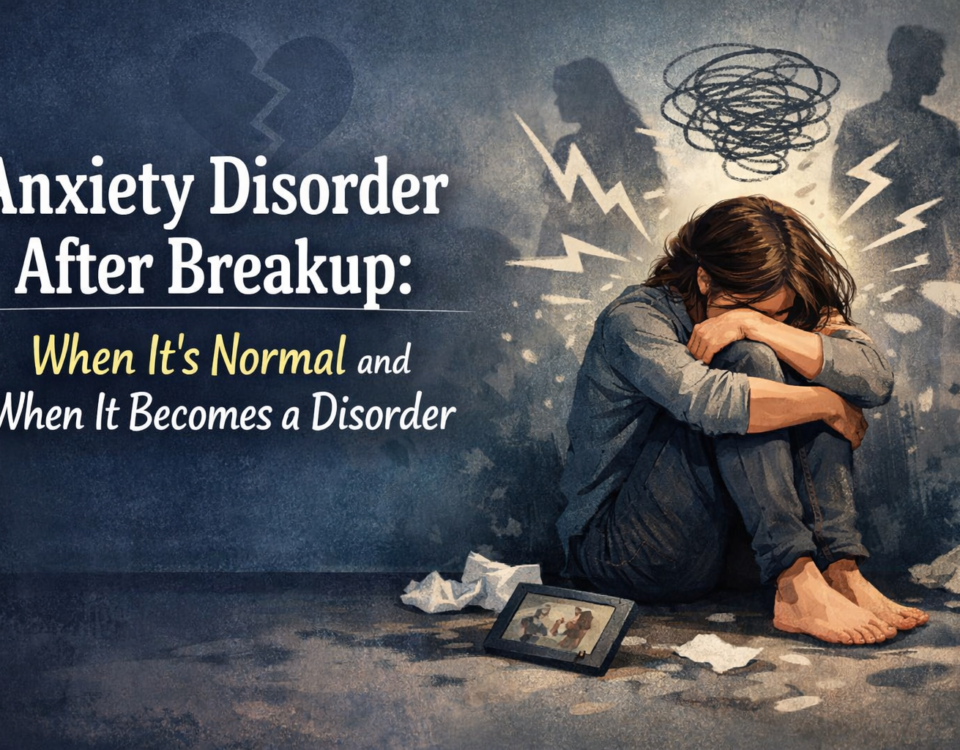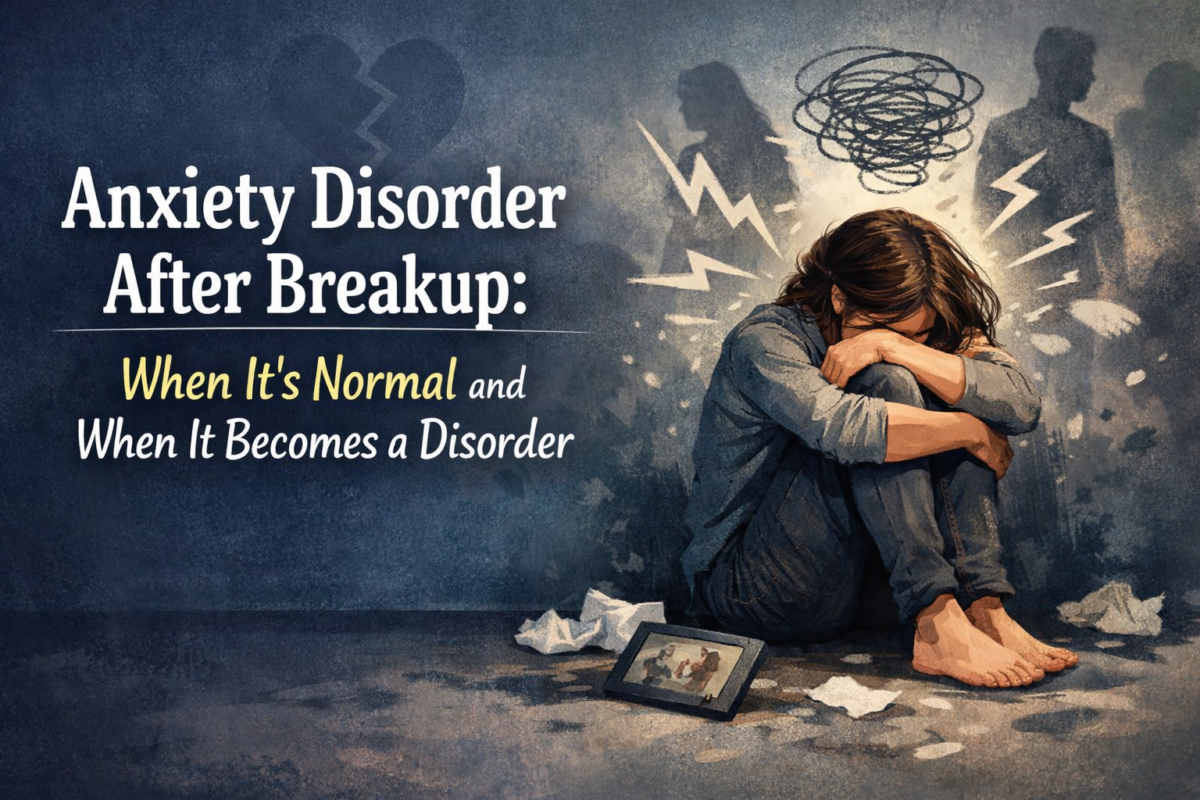





Anxiety Disorder After Breakup: When It’s Normal and When It Becomes a Disorder
February 5, 2026
Types of OCD: Why Symptoms Can Look Different From Person to Person
February 9, 2026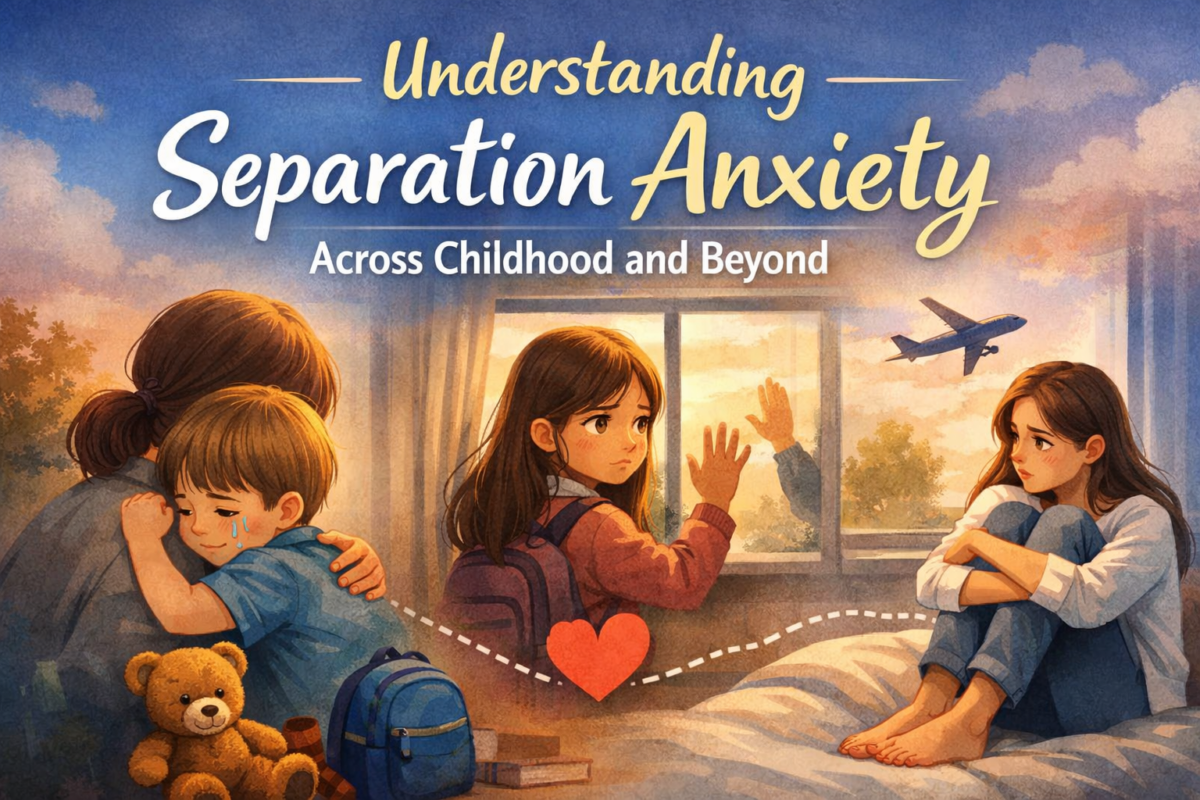
Why It Happens, When It Becomes a Problem, and How to Actually Deal With It
Here’s what nobody tells you about separation anxiety:
It’s not a character flaw. It’s not a sign you’re broken. And it’s definitely not something you can just “get over” by trying harder.
But here’s what it is:
A completely normal biological response that sometimes goes into overdrive.
The problem? Most people can’t tell the difference between normal attachment anxiety and the kind that’s actually disrupting their life. So they either panic over nothing or wait too long to get help.
Let’s separate the two.
In this guide, you’ll learn exactly how separation anxiety shows up from infancy through adulthood, when it crosses the line from normal to clinical, and most importantly, what actually works to manage it at every stage. No miracle cures. No quick fixes. Just the reality of what helps.
The Biology Behind Why We Hate Goodbyes
Here’s the truth about separation anxiety:
Your brain is doing exactly what it was designed to do.
Humans evolved to stay close to people who protect us. For thousands of years, being separated from your group meant death. Your nervous system still remembers this, even though the nearest predator is probably your neighbor’s poorly trained dog.
So when you feel uneasy about separation, that’s not weakness.
That’s biology.
In healthy doses, separation anxiety actually serves important purposes:
It encourages bonding, promotes safety behaviors, helps children develop trust, and strengthens close relationships.
The problem starts when the fear becomes disproportionate, long-lasting, hard to soothe, or starts interfering with daily life.
That’s when we move from “normal human attachment” to “this needs attention.”
Separation Anxiety in Babies and Toddlers: When Crying at Drop-Off Is Actually Normal
Let’s start with the earliest stage.
Separation anxiety typically first appears between 6 and 18 months of age. This is when babies develop a crucial cognitive milestone: they understand that you exist even when you’re not in the room.
But here’s the problem, they don’t yet understand that you’re coming back.
To a 10-month-old, you leaving the room might as well be permanent. Of course they’re going to cry.
You’ll see this as crying when you leave the room, clinging behavior, distress at nursery drop-off, and constant demands for physical closeness.
This stage is completely expected. It’s a sign of healthy attachment, not a problem.
Most children naturally improve as they develop object permanence and learn to trust that separations are temporary.
What helps at this stage:
Consistent, calm goodbyes (no sneaking out, it makes it worse), genuine reassurance without over-apologizing, and short separations that gradually increase in length.
The goal isn’t to eliminate the anxiety. It’s to teach their nervous system that you always come back.
Preschool and Primary School: When “Normal” Anxiety Can Resurface
Here’s what catches most parents off guard:
Even if your child handled separations fine as a toddler, anxiety can return during the preschool and early school years.
Life events trigger it. Starting school, moving houses, illness in the family, divorce, bereavement, any major change can reactivate separation fears.
You might notice school refusal, stomach aches before leaving home, nighttime fears that weren’t there before, wanting to sleep in your bed suddenly, or constant checking that you’re nearby.
At this age, children understand more cognitively but still lean heavily on emotional reassurance.
Here’s where parents often make a critical mistake:
They avoid the separation to reduce the distress.
Sound familiar? Your child says their stomach hurts before school, so you let them stay home. They cry at bedtime, so you let them sleep in your room. They panic at drop-off, so you stay longer and longer.
The intention is compassionate. The result is accidentally teaching their brain that separation is dangerous.
What actually works:
Clear, predictable routines. Gradual exposure to separations, not throwing them in the deep end, but not avoiding it either. Encouraging small acts of independence. Validating their feelings without reinforcing catastrophic thoughts.
The bottom line: Avoidance strengthens anxiety. Gentle, consistent exposure reduces it.
When Separation Anxiety Doesn’t Fade: The Warning Signs Parents Miss
For most children, separation anxiety naturally decreases with age and experience.
But for some, it doesn’t.
If the fear remains intense or actually increases as your child gets older, you’ll start seeing it affect school attendance, friendships, family functioning, and their confidence in them.
Persistent separation anxiety can lead to excessive worrying about parents’ safety (“What if you get in a car accident?”), catastrophic thinking patterns, physical symptoms like headaches and nausea that have no medical cause, and distress that’s far beyond what’s typical for their age.
When symptoms continue for months and cause real impairment, it’s time to consider professional assessment.
Not because you’ve failed. Not because your child is broken. But because early intervention prevents these patterns from becoming entrenched.
Separation Anxiety in Teenagers: Why It Looks Different Than You’d Expect
Here’s something that confuses a lot of families:
Teenagers are supposed to be pushing away from their parents, not clinging closer.
So when separation anxiety shows up in adolescence, it often hides behind other behaviors. You might not recognize it immediately.
Look for avoiding sleepovers or school trips, excessive messaging or calling parents throughout the day, panic about traveling alone or being home alone, and reluctance to start university, work, or other normal developmental steps toward independence.
This isn’t immaturity.
Adolescence brings new stressors academic pressure, identity formation, social complexity, hormonal changes, that can amplify an underlying vulnerability to anxiety.
Teenage separation anxiety is often linked to general anxiety disorders, perfectionism, past trauma, or established family attachment patterns.
The key is recognizing that the core fear isn’t about school or social situations, it’s about being separated from specific safe people.
Adult Separation Anxiety: The Problem Nobody Talks About
Let’s be honest about something most people don’t know:
Separation anxiety doesn’t magically disappear when you turn 18.
Adult separation anxiety is far more common than previously recognized. It can affect romantic relationships, parenting decisions, career choices, and basic independence.
Adults with separation anxiety might experience intense distress when their partner is away, repeated reassurance-seeking (“Text me when you get there,” “Call me every hour”), fear of abandonment that feels irrational but overwhelming, avoiding solo activities they used to enjoy, difficulty sleeping when alone, and constant checking behaviors.
Here’s where it gets tricky:
Adult separation anxiety often gets mistaken for relationship insecurity, general anxiety, or panic disorder.
But when the core fear centers specifically on being separated from particular people, not just general worry, separation anxiety may be the underlying issue.
This matters because the treatment approach is different.
Separation Anxiety Disorder: When It Crosses the Clinical Line
Not all separation anxiety is a disorder.
Let’s be clear about that.
A diagnosis of Separation Anxiety Disorder is only considered when symptoms persist for several months, cause significant distress, interfere with work, school, or relationships, and are disproportionate to the actual situation.
You’ll typically see excessive fear about losing loved ones (often catastrophic scenarios), nightmares specifically about separation, panic during or before separations, physical symptoms like nausea, heart palpitations, or dizziness, and consistent avoidance of being alone.
At this stage, reassurance and self-help strategies alone usually aren’t enough.
Professional treatment becomes necessary, not as a failure, but as the appropriate level of care for a clinical condition.
How to Actually Deal With Separation Anxiety (At Any Age)
Here’s what works.
The specific tactics vary by age and severity, but certain principles apply universally.
Gradual exposure is non-negotiable. Avoidance feeds fear. Small, manageable separations build confidence in the nervous system that separation is survivable.
Predictability reduces uncertainty. Consistent routines help the anxious brain know what to expect.
Emotional validation matters, but without reinforcing catastrophic thinking. “I know you’re scared, and that’s okay” is very different from “You’re right to be scared, something bad might happen.”
Encourage independence through small achievements. Every tiny success teaches self-trust.
Learn to manage anxious thoughts. The goal isn’t to stop anxious thoughts from appearing, it’s to question them rather than believing them automatically.
Don’t underestimate lifestyle basics. Sleep quality, nutrition, and regular exercise have massive effects on anxiety levels.
The goal is not eliminating anxiety entirely. That’s not realistic and it’s not necessary.
The goal is teaching the nervous system that separation is safe, even when it feels uncomfortable.
When You Need More Than Self-Help
Sometimes, despite your best efforts, separation anxiety doesn’t improve.
Consider professional support if daily life is genuinely restricted, school or work attendance is affected, relationships are strained by the anxiety, panic attacks are occurring, symptoms have persisted for months despite intervention, or you simply feel stuck.
Professional support may include psychological therapy (particularly Cognitive Behavioral Therapy), family-based interventions, anxiety management strategies, medication in some cases, or psychiatric assessment when symptoms are complex or severe.
In the UK, pathways include GP referral, NHS talking therapies through IAPT services, or private psychiatric and psychological services.
Early intervention matters. Not because waiting makes you weak, but because anxiety patterns become harder to shift the longer they’re reinforced.
The Questions People Actually Ask About Separation Anxiety
How to deal with separation anxiety?
Start with gradual exposure, predictable routines, and learning to tolerate short separations without catastrophizing. If the anxiety remains intense or disabling despite consistent effort, structured therapy provides the framework most people need.
When does separation anxiety start?
Typically around 6-12 months of age, and it’s developmentally normal at that stage. Problems arise when it persists beyond the expected age range or becomes excessive.
How to cope with separation anxiety in relationships?
Focus on building independence, managing your need for constant reassurance, challenging catastrophic thoughts about what might happen, and maintaining a balanced life outside the relationship. Individual therapy often helps address underlying attachment patterns.
How to treat separation anxiety in adults?
Treatment typically involves cognitive behavioural therapy, emotional regulation skills, and, in some cases, medication for severe conditions. Addressing underlying anxiety disorders or past trauma is often part of the picture.
The Bottom Line on Separation Anxiety
Here’s what you need to remember:
Separation anxiety isn’t a flaw or a failure, it’s a natural part of human attachment.
Across childhood and adulthood, it can be temporary and normal, reflect difficult life transitions, or occasionally become clinically significant.
Knowing the difference helps you respond appropriately instead of either panicking unnecessarily or waiting too long for help.
If symptoms are mild and manageable, simple strategies combined with time may be enough. If anxiety is persistent, severe, or limiting your life or your child’s life, professional support can make a meaningful difference.
With the right understanding and approach, separation anxiety is highly treatable at any age.
Independence can grow. Trust can rebuild. The nervous system can learn.
Not overnight. Not without effort. But it can happen.